 Eurasia Press & News
The province of Hasakah in northeast Syria is in a state of calm following the extension of the ceasefire between the Syrian army and the Syrian Democratic Forces (SDF), which did not succeed in dispelling the fears of the population of an imminent military explosion.
While the two sides formally adhere to the ceasefire agreement, movements on the ground point to a race against time to strengthen military positions, coinciding with security tightening and violations of civilian property and lives.
Lines of contact. Violations and reinforcements
Two days after the extension of the ceasefire, bullets and shells did not completely miss the lines of contact, and field sources and local activists monitored repeated violations in the fronts of Al-Yarubiyah, Tell Hamis and the countryside of Maabda, where there was an exchange of sporadic shelling between the controlling forces.
The official “news” channel reported that the SDF forces stormed the village of Al-Safa in the countryside of Al-Hasakah and targeted the people and injured many of them.
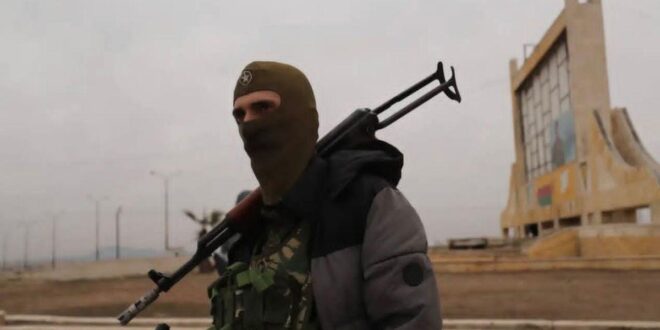
These violations coincided with the movement of military crowds, as the Syrian army continues to push heavy mechanisms and elements towards its positions, in exchange for the Recruitment of the SDF for similar reinforcements, including combat units and the construction of new fortifications.
This mutual mobilization turned the countryside of Hasaka into a “hot tin,” amid local anticipation of the outcome of the understandings that seem unable to fully control the field.
Civilian Homes Sniper Barracks
In a development that has sparked widespread popular discontent, local sources reported that the Syrian Democratic Forces (SDF) have begun to transform villages and communities into closed military zones.
In the village of al-Muqbara, near the White Bridge, west of the city, and the village of al-Abed, southeast of the city, the forces seized houses belonging to civilians after forcing their owners to leave, turning them into observation posts and snipers’ positions.
Security, a state of tension prevails in the neighborhood of Aziziyah after the killing of a young man by SDF elements, on Sunday, and despite the passage of hours since the incident, the forces refuse to hand over the body to his relatives, which increased the state of popular tension and demands to stop the hand of security elements from civilians.
In the cities of Hasaka and Qamishli, the SDF tightened its procedures by deploying “Tayyarah” and fixed barriers, which included accurate audits of identity cards and searches of mobile phones, which led to a significant decline in Al-Shabaab in the markets for fear of arrest.
News crisis and fears of escalation
Humanitarianly, the markets in the city of Hasaka today recorded a relatively active commercial movement compared to the past days, after allowing the entry of quantities of vegetables, food and water tanks, but this improvement was described by the residents as “temporary”, especially with the bread crisis remaining, where only limited quantities were distributed that do not cover the needs of neighborhoods.
These circumstances, coupled with fears of a return to military operations, have prompted some families to leave the city for rural or other cities. Although the pace of displacement has decreased from the past few days, it continues for families with mobility.
The Ministry of Foreign Affairs and Expatriates in the Syrian government announced the formation of a follow-up committee with international and UN organizations to respond to the humanitarian situation in Al-Hasakah and Ain Al-Arab/Kobani, under the supervision of the Department of International Cooperation in the Ministry.
In conjunction with the developments on the ground, the international coalition continued to transfer ISIS detainees from detention centers in the region towards Iraqi territory, in a move aimed at easing the security pressure on overcrowded prisons in light of the existing tension.
The Syrian president in the transitional period, Ahmed al-Sharaa, announced on January 18, the conclusion of a ceasefire agreement between the Syrian government and the SDF.
The SDF agreed to the agreement and announced its commitment, but the confrontations continued after that, which led to the expansion of the Syrian army’s control over large areas in eastern Syria.
On January 20, the Ministry of Defense announced a four-day deadline for the implementation of the agreement, which it extended to 15 days after the deadline.