 Eurasia Press & News
The Trump administration is considering peace talks with Iran after weeks of rising tensions, although hostilities may continue for several more weeks during initial diplomatic efforts.
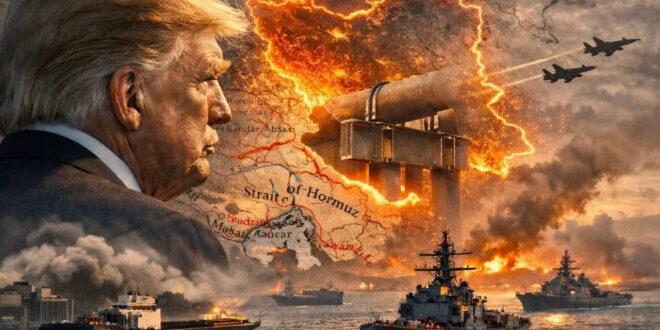
US and Israel first hit Iran with air strikes on February 28 following which Tehran’s response has engulfed the Middle East in the conflict. (AI-Generated Photo)
After three weeks of escalating tensions, the Trump administration has begun exploring potential next steps with Iran, including the possibility of peace talks, according to Axios, citing US officials. While President Trump indicated on Friday that he is considering “winding down” the conflict, Axios reports that hostilities could persist for another two to three weeks even as preliminary diplomatic efforts get underway.
Backchannel Efforts and Early Diplomatic Signals
Behind the scenes, Trump’s envoys Jared Kushner and Steve Witkoff are involved in shaping how any future talks with Iran could take form.
There has been no direct communication between Washington and Tehran in recent days. Instead, messages are being relayed through intermediaries including Egypt, Qatar and the United Kingdom. These countries have conveyed that Iran may be open to negotiations, but only under strict conditions.
According to Axios, Tehran is seeking a ceasefire, guarantees against renewed hostilities, and compensation.
What a Possible Deal Could Look Like
US officials say any agreement would likely need to address several key issues: reopening the Strait of Hormuz, tackling Iran’s stockpile of highly enriched uranium, and establishing a long-term framework covering its nuclear programme, ballistic missile capabilities and support for regional proxy groups.
US Lays Out Tough Conditions
One US official indicated that Washington believes Iran could eventually come to the negotiating table, but only if it agrees to stringent terms. These include a halt to its missile programme for five years, zero uranium enrichment, and the dismantling of key nuclear facilities at Natanz, Isfahan and Fordow.
Additional demands include strict international monitoring of centrifuges and related infrastructure, arms control arrangements with regional countries, including a missile cap of 1,000 and an end to support for groups such as Hezbollah, the Houthis and Hamas.
Iran Holds Firm on Core Demands
Iran has historically rejected many of these conditions. Officials in Tehran have also pointed to trust deficits, citing past instances where negotiations were followed by military action.
Iran’s Foreign Minister Abbas Araghchi said that stabilising the Strait of Hormuz would require the US and Israel to halt attacks and commit to not resuming them.
While Trump has signalled openness to talks, he has so far rejected Iran’s key demands for a ceasefire and compensation, calling the latter a “non-starter.” However, one US official suggested there may be limited room for discussion around unfreezing Iranian assets, depending on how negotiations evolve.
Search for a Mediator and Key Decision-Maker
Trump’s team is also working to identify who within Iran holds the authority to negotiate and finalise a deal.
Although Araghchi has participated in past diplomatic efforts, US officials believe he may not have ultimate decision-making power. Efforts are underway to determine the key figures in Tehran who can deliver a binding agreement.
At the same time, Washington is exploring options for a mediator. Oman previously played that role, but attention is now shifting toward Qatar, though Doha is believed to prefer a low-profile role, according to a report by News18.
A report byAxiosindicates that Trump’s advisers are positioning themselves to act quickly if negotiations begin. The framework under consideration is expected to closely resemble proposals discussed in Geneva just days before the war began.