 Eurasia Press & News
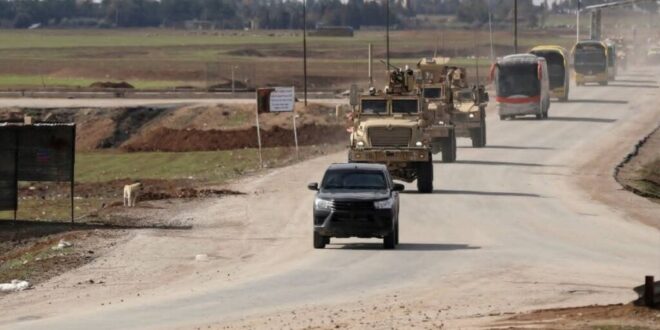
Against the backdrop of the Global Coalition to Defeat ISIS meeting in the Saudi capital, Riyadh, efforts are accelerating to close the long running file of Islamic State detainees held in detention centers in northeastern Syria, through large scale transfers into Iraqi territory.
The move reflects a shift in how this complex issue, stuck for years between local and international actors, is being managed.
Thousands transferred, logistical coordination
Iraq’s Security Media Cell chief, Lieutenant General Saad Maan, announced on Monday, February 9, that the number of Islamic State prisoners transferred from Syrian territory to Iraq has risen to 4,583 detainees.
In remarks to Shafaq News Agency, Maan said the detainees are of various nationalities, including Iraqis and Syrians, as well as foreign fighters.
The transfers, carried out via land and air routes with direct coordination with the international coalition, resulted in the detainees being placed in fortified detention facilities inside Iraq.
From Baghdad’s perspective, Iraqis now handling manage this file “on behalf of the international community,” with a high level committee formed under the supervision of the Joint Operations Command and the judiciary to ensure investigations proceed within legal frameworks.
Iraqi officials estimate the numbers could rise further, with expectations that the total transferred may exceed 7,000, as close security coordination continues to end the phenomenon of “temporary prisons” in Syrian conflict zones.
Iraqi judiciary says sovereignty comes first
Legally, the Iraqi judiciary has settled debate over the fate of these detainees, stressing that all alleged crimes will be handled exclusively under Iraqi law.
Iraq’s Supreme Judicial Council said the suspects come from 42 countries, and many are classified as “high risk,” with direct accusations against some of using chemical weapons.
In this context, Ali Diyaa, deputy head of Iraq’s Judicial Center, said the Supreme Judicial Council, under the supervision of Judge Faiq Zaidan, assigned the First Karkh Investigation Court, specialized in terrorism cases, to take over the file.
Diyaa said investigations began on January 28, noting the process “starts from scratch” given the scale of data related to the group’s crimes between 2014 and 2017.
Initial investigations, according to Diyaa, have indicated involvement by senior Islamic State leaders in crimes of genocide and crimes against humanity, particularly against the Yazidi community. The Iraqi judiciary is seeking to formally document this to prevent perpetrators from evading accountability, especially as these detainees did not face any genuine trials during their period of detention in Syria.
Enab Baladi monitoring, from Chinook helicopters to overland buses
Enab Baladi has followed the threads of this transfer operation since it began. On January 21, it observed US forces starting to move prisoners from al-Sinaa Prison in al-Hasakah (a city in northeastern Syria) using Chinook helicopters.
Over time, the transport method evolved, shifting in the past week into convoys of buses through land crossings linking Syria and Iraq.
These operations included several prisons in al-Hasakah governorate (northeastern Syria) that had been under the control of the Syrian Democratic Forces (SDF).
The rapid field developments come amid a changing map of control in northeastern Syria. The Syrian government has extended control over Raqqa governorate (north central Syria), eastern Deir Ezzor countryside (eastern Syria), and large parts of al-Hasakah countryside, while SDF influence has shrunk to limited pockets within the governorate.
This shift has pushed the international coalition to speed up the evacuation of prisons and transfer the “ticking detainee bomb” into a more stable legal and military environment in Iraq, to avoid scenarios of escape or chaos that could accompany ongoing military changes.