 Eurasia Press & News
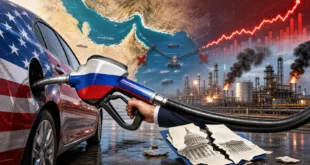
A coordination group comprising the International Energy Agency (IEA), the World Bank Group and the International Monetary Fund (IMF) expects fuel prices to remain under pressure amid the current Middle East conflict involving Iran, Israel and the US.
“Even after a resumption of regular shipping flows through the Strait, it will take time for global supplies of key commodities to move back towards their pre-conflict levels—and fuel and fertiliser prices may remain high for a prolonged period given the damage to infrastructure,” the global body said in a joint statement issued late on Monday.
“Due to supply disruptions, shortages of key inputs are likely to have implications for energy, food, and other industries,” it added.
The trio closed ranks early this month to deploy their individual strengths to address the broad energy and economic ramifications of the war.
Monday’s meeting of heads of those international bodies was held to allow them to compare their latest evaluations of the emergency before the publication of the IEA’s monthly Oil Market Report and the IMF’s World Economic Outlook on Tuesday.
There is no end yet in sight to the war, more than six weeks after hostilities broke out.
Marked spikes in the prices of crude a couple of weeks back are beginning to resurface after dipping below $100 per barrel a few days ago, with the cost of physical oil cargoes heading for Europe touching its peak level ever on Monday, going for $150 a barrel.
Brent crude futures for June delivery sped up 6 per cent to cross $100 the same day.
Complications from the failure of the US and Iran to reach a peace deal and Donald Trump’s threat to blockade the Strait of Hormuz, a narrow channel key to the supply of one quarter of the world’s seaborne oil shipments, are breeding fresh uncertainty about the future of oil and fuel prices.
“As we noted earlier this month, the impact of the war is substantial, global, and highly asymmetric, disproportionately affecting energy importers, in particular low-income countries,” the statement said.
The coordination group also observed that the headwinds continue to drive up gas and fertiliser prices and highlighted the implications for food and job security.
It expects the retreat of global supplies of crucial commodities to the levels they were before the war to take quite a while. Fuel and fertiliser prices, in particular, could be perennially high, it warned, given the scale of damage to infrastructure.
Disrupted supply chains may hammer food, energy and other industries through shortfalls of major inputs, it added, highlighting the harm already done to people, jobs, travel and tourism.