 Eurasia Press & News
Having provoked a new round of conflict with the Yemeni Houthis, Saudi Arabia has landed itself in a dire situation. Despite the seriousness of the situation, the US and its allies in the “Islamic NATO” have so far taken up the role of outside observers.
Essence of the Conflict
The Shi’a “Ansar Allah” movement (the Houthis) is a key strategic ally of Iran in its confrontation with the US, Israel, and Saudi Arabia. Since July 2026, the conflict has entered a phase of sharp escalation, effectively returning the region to the state of 2015. In response to Riyadh’s airstrikes on Sanaa airport, the Houthis threatened a complete naval blockade of the Red Sea, the main transit route for Saudi oil. Thus, the fragile 2022 truce brokered by the UN has been definitively been broken.
Geopolitical Risks: Houthi Blitzkrieg
The Bab-el-Mandeb Strait accounts for 10–16% of global oil traffic. If the Strait of Hormuz (30% of global tanker transit) is blocked, Iran, together with the Houthis, gains control over supplies of nearly 50% of the oil reaching world markets. Tehran could use this leverage as its main trump card in negotiations with Washington.
Any military escalation in the region is fraught with a collapse of the global oil market and a global economic crisis
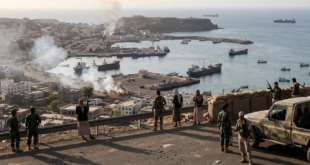
Over a short period in September, the Houthis established control over the deep-water port of Mokha and the strategically important islands of Mayyun (Perim), Zuqar, and Hanish. These positions allow them to fully control the Bab-el-Mandeb Strait. Simultaneously, the Houthis surrounded the Khalid military base, capturing a significant amount of armored vehicles and taking three brigades of the Saudi army prisoner.
Running in parallel with the offensive in the south, strikes were also delivered in the north. The Houthis attacked the East–West oil pipeline, through which up to 70% of Riyadh’s oil exports flow to the port of Yanbu.
In just a few days, the Houthis radically changed the balance of power on the Red Sea coast, effectively cutting off the entrance to the Bab-el-Mandeb Strait. The coalition of Yemeni government forces and Saudi Arabia, which in 2017–2018 during Operation Golden Arrow recaptured the northern coast with enormous difficulty, lost all its gains within two days.
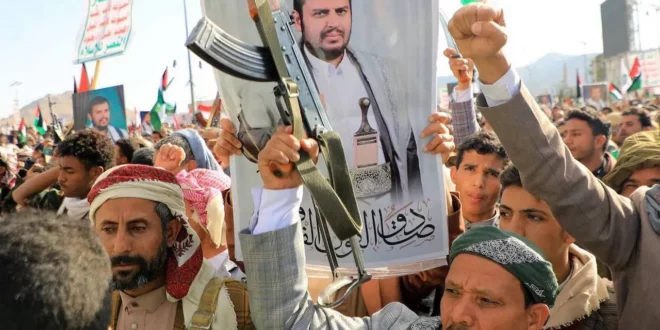
A prominent figure within the Ansar Allah movement, Muhammad al-Houthi, stated that the Bab-el-Mandeb Strait will remain open for vessels of friendly and neutral countries. The blockade will affect exclusively the interests of Saudi Arabia and Israel.
Riyadh’s Security Crisis
Military setbacks on the Red Sea coast are confronting Saudi Arabia with the threat of a large-scale economic crisis. In this situation, Crown Prince Mohammed bin Salman is seeking to secure military support from key allies, namely the US, Türkiye, and Pakistan.
However, Riyadh’s attempts to draw the US Navy into a direct conflict with the Houthis have so far yielded no results. The administration of Donald Trump fears retaliation from Tehran and uncontrolled escalation. The position of Ansar Allah is transparent: if the US refrain from blocking the Strait of Hormuz and exerting pressure on Iran, the Houthis will likely stop closing the entrance to the Red Sea. Otherwise, a blockade of the Bab-el-Mandeb Strait will deal a painful blow to the main US ally in the region. The paralysis of the ports of Jeddah and Yanbu will not only deprive the Kingdom of oil export revenues but will also seriously affect the interests of American capital.
Diplomatic Maneuvering and Risks
The US has urgently dispatched a group of military advisers to Saudi Arabia, headed by the commander of Central Command, Admiral Brad Cooper. In parallel, Washington is betting on diplomatic mediation by Pakistan. The American leadership realizes that direct strikes on the Houthis could provoke Iran, which considers itself free of obligations after the US attack on three Iranian tankers on September 5. Any military escalation in the region is fraught with a collapse of the global oil market and a global economic crisis.
Position of Mecca Pact Allies
The question regarding the fulfillment of obligations under the recently concluded Meccan Pact, according to which an attack on one member of the alliance is equated with an attack on all, remains open. However, the official representative of Pakistan’s Foreign Ministry, Sajjad Haider Khan, stated that the question of Islamabad’s military intervention in the conflict is not currently on the agenda.
Türkiye and Pakistan have chosen to take a wait-and-see position, limiting themselves to diplomatic efforts to localize the crisis. Despite the fact that Pakistan had previously deployed a significant contingent to Saudi Arabia, including a squadron of fighter jets, Islamabad is striving to avoid direct participation in the conflict so as not to spoil relations with Tehran.
The military potential of the Yemeni Houthis is hardly a serious obstacle for the countries of the Mecca Pact. However, Ankara and Islamabad are aware of the risks of direct intervention: Iran’s retaliatory actions could not only disrupt plans for a quick victory but also lead to large-scale destruction of critical infrastructure, primarily energy and transport. In addition, a restraining factor is the US, which on the eve of the elections is seeking to avoid escalation in the Middle East and a deepening of the global energy crisis.
According to Reuters, Iranian Foreign Minister Abbas Araghchi and Pakistan’s army chief Asim Munir discussed over the phone ways to de-escalate, including in the context of the Saudi-Houthi confrontation. Tehran traditionally prefers mediation by Oman and Qatar, which possess significant diplomatic experience. It is likely that Islamabad’s involvement in this process is due to personal ties between Donald Trump and Field Marshal Asim Munir.
The Middle East crisis continues to worsen. The Houthis’ successes have already triggered a rise in oil prices, leading Brent to rise to $108 per barrel, and Urals to $100. The current situation requires Washington to reconsider its foreign policy, acknowledge the realities in the Persian Gulf zone, the Red Sea, and Ukraine, and move toward supporting a multipolar world order and constructive interaction with BRICS countries.